June 03 2022
What is an olive oil sommelier?
Extra virgin olive oil is much more than a simple ingredient. Behind every bottle are an olive variety, a terroir, a production method, and a distinctive flavor profile. But how can you recognize these differences and know which oil to choose to elevate a dish?
This is where an olive oil sommelier comes in. Specializing in olive oil tasting and sensory analysis, they help people understand the characteristics of different oils, identify their aromas, and pair them with the right foods.
Like a wine sommelier, their role is to deepen our understanding of the product and introduce us to the full richness of its flavors.
What Does an Olive Oil Sommelier Do?
An olive oil sommelier helps consumers, restaurateurs, and producers understand and appreciate the different characteristics of extra virgin olive oils. Their role involves evaluating sensory qualities, identifying flavor profiles, and recommending oils suited to specific dishes and culinary applications.
They may also contribute to product selection, quality assessment, and food pairing recommendations. By understanding the characteristics of different oils, sommeliers can help bring out the flavors of ingredients and create more balanced culinary experiences.
Some oils are delicate and fruity, while others have more pronounced green notes, a noticeable bitterness, or a peppery finish. An olive oil sommelier helps explain these differences and guide people toward oils that suit their preferences and cooking needs.
They can also recognize sensory defects that may result from poor olive handling, processing, or storage conditions. This expertise helps professionals assess an oil's sensory characteristics and better understand its overall quality.
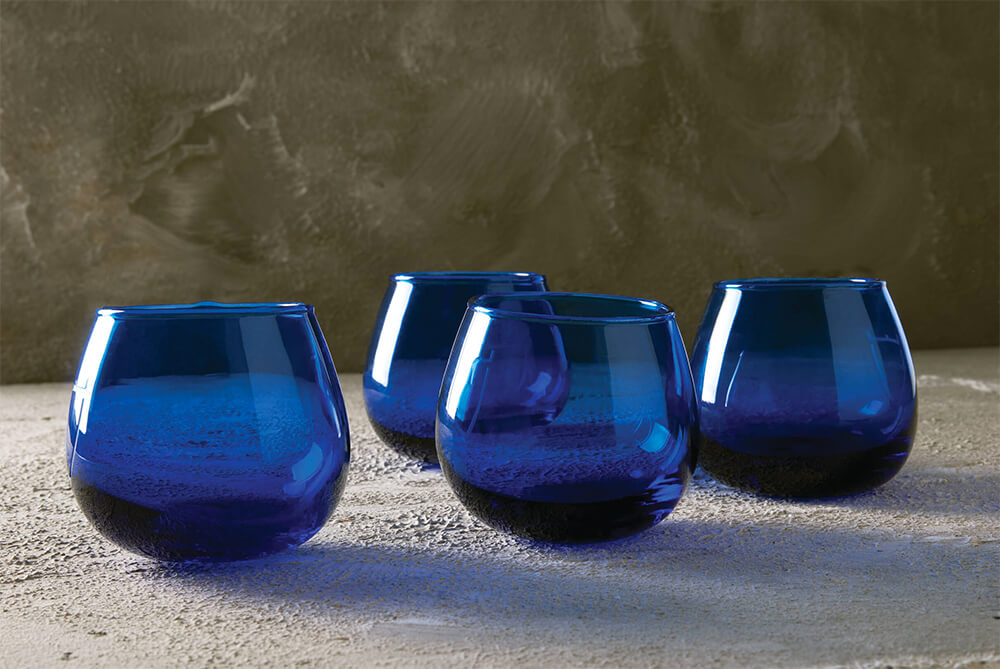
How to Taste Olive Oil Like a Professional
Tasting is at the heart of an olive oil sommelier's work. It goes beyond a simple impression of flavor and helps identify the characteristics that make each oil unique.
Here are the main steps to discovering extra virgin olive oil.
1. Smell the Aromas
Before tasting the oil, take a moment to explore its aromas. Depending on the olive variety and the time of harvest, you may recognize notes of freshly cut grass, tomato, artichoke, green apple, or almond.
Fruitiness is one of the important characteristics of extra virgin olive oil. It reflects the presence of aromas associated with healthy olives and properly produced oil.
2. Taste the Oil
Take a small amount of oil and let it spread throughout your mouth so you can appreciate its different sensations.
Pay attention to its intensity, balance, and how the aromas develop. An oil may be mild and delicate or have more pronounced bitterness and pungency.
3. Recognize Bitterness and Pungency
Contrary to what you might expect, bitterness and pungency are not necessarily defects. When balanced and accompanied by pleasant fruitiness, they are desirable characteristics in many extra virgin olive oils.
Pungency is generally felt in the throat and may cause a slight tingling sensation or a cough during a more intense tasting.
These sensations vary from one oil to another and contribute to each oil's distinctive character.
4. Assess the Overall Balance
Finally, take a moment to assess the oil as a whole. Fruity aromas, bitterness, and pungency should be considered together to understand the oil's profile.
With a little practice, tasting helps you better recognize your preferences and choose oils suited to your cooking habits.
Training and Certifications in Olive Oil Tasting
Becoming an olive oil sommelier requires an in-depth understanding of olive varieties, production methods, and the sensory characteristics of olive oils. Specialized training helps participants learn to recognize aromas, identify potential defects, and assess the quality of extra virgin olive oil.
Several organizations have contributed to the development of this expertise. In Italy, the Organizzazione Nazionale Assaggiatori Olio di Oliva (O.N.A.O.O.) is associated with professional olive oil tasting. In the United States, the International Culinary Center also hosted an olive oil sommelier certification program in collaboration with the Olive Oil Times Education Lab. Since the ICC has closed its doors, this is a historical reference.
Today, several organizations offer specialized training to deepen knowledge of olive oil tasting and evaluation. For example, the IRVEA Olive Oil Academy offers programs for enthusiasts and professionals.
These courses help participants expand their knowledge and develop a more refined approach to tasting, sensory evaluation, and food pairings.

How to Recognize Quality Olive Oil
The quality of olive oil depends on several factors, including the condition of the olives, harvesting conditions, processing methods, and storage.
Extra virgin olive oil must meet specific quality criteria, including chemical and sensory requirements. Tasting helps assess its flavor profile and detect potential defects that may affect its quality.
Here are several factors to consider when choosing a bottle:
- Olive variety: it contributes to the oil's flavor profile and mouthfeel.
- Origin: it provides insight into the terroir and production traditions.
- Harvest date: when provided, it offers a useful indication of the oil's age.
- Storage conditions: heat, light, and oxygen can accelerate oxidation and alter aromas.
- Intensity profile: it helps you choose an oil that suits your tastes and recipes.
A more expensive oil is not automatically better. It is best to consider the product's quality, freshness, origin, and the information provided by the producer.
For more information, consult our guide: How to Read the Label on a Premium Olive Oil Bottle?
How Do You Become an Olive Oil Sommelier?
Becoming an olive oil sommelier is a journey that combines curiosity, experience, and a deeper understanding of olive oil. Beyond formal training, developing expertise requires a genuine interest in the product and a commitment to exploring its many characteristics.
Practice is essential to developing your palate. Tasting oils from different varieties and origins, comparing their characteristics, and learning to identify aromas and sensations can help you build confidence and refine your sensory vocabulary over time.
Exploring the diversity of olive oils also means learning how different oils complement ingredients and enhance dishes. Over time, this knowledge can help you make more informed recommendations and develop a more refined approach to food pairing.
Whether you want to pursue a professional career or deepen your personal knowledge, becoming an olive oil sommelier starts with a willingness to taste, learn, and appreciate the details that make each oil unique.
If you are passionate about olive oil and want to learn more, becoming an olive oil sommelier may be the ideal career path for you. Or, if you are simply curious and eager to learn, our website offers plenty of content on the subject. Our president and founder, Michel Favuzzi, is also an olive oil sommelier. Visit our section dedicated exclusively to olive oil: https://www.favuzzi.com/en/olive-oil-guide

There are also sommeliers who offer excellent online training, such as Emily Lycopolus of The Olive Oil Critic, right here in Canada. Find her on Instagram at the following address: https://www.instagram.com/emily.lycopolus/

Passionate about Italian gastronomy and exceptional products, Michel Favuzzi has developed extensive expertise in extra virgin olive oil. As a sommelier, he applies his knowledge to product selection and sharing his passion with others.
Through Favuzzi, he aims to make olive oil discovery accessible to everyone and encourage people to appreciate the richness of this iconic Mediterranean product.
Olive Oil: A World to Discover
Learning how to taste olive oil means discovering a world of nuances that often go unnoticed. Each variety offers distinctive aromas, sensations, and uses that give the oil its own character.
Whether you simply want to choose better olive oil for cooking or deepen your knowledge, a sommelier's approach invites you to see this essential ingredient in a new light.
The next time you open a bottle of extra virgin olive oil, take a few moments to smell its aromas, appreciate its fruitiness, and observe its balance. You may discover flavors you had never noticed before.
Beyond its culinary qualities, olive oil also tells a story of terroir, craftsmanship, and passion.